
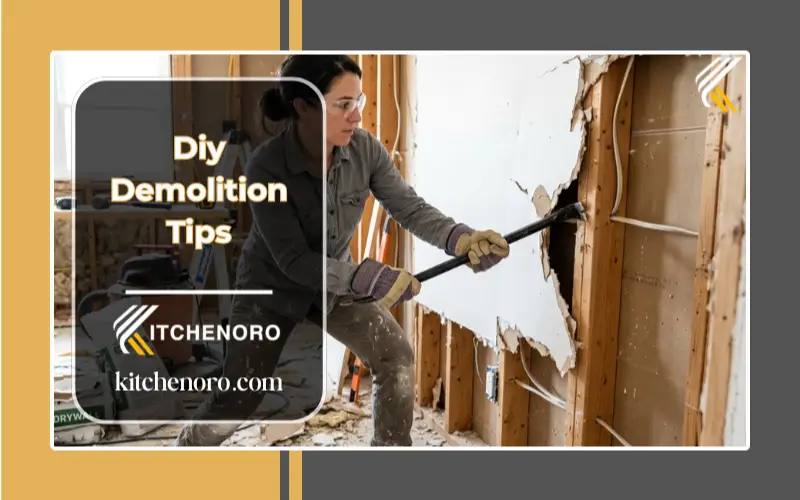
When I started my first home renovation, demolition was the part that made me the most nervous. I was worried about breaking the wrong wall, cutting a wire, or damaging something expensive. Many homeowners feel the same before starting a remodel.
DIY demolition may look easy, but without proper planning, it can become messy, unsafe, and costly. Most people search for DIY demolition tips because they want to prepare their home for renovation while saving money and avoiding mistakes.
From my experience working on home projects, demolition becomes much easier when you follow the right steps and safety rules. Whether you are removing cabinets before a kitchen remodel or taking out old flooring before installing new materials, the correct method makes a big difference.
In this guide, you will learn practical DIY demolition tips, safety advice, and step-by-step instructions to help beginners and homeowners prepare their space safely before remodeling. Before starting any renovation, you should understand the basics of different kitchen DIY projects.
Diy Demolition Tips – Quick Summary:
This article shares essential DIY demolition tips to help homeowners safely prepare for renovation projects. It includes planning advice, safety precautions, tools needed, step-by-step demolition process, and warnings about structural damage. The guide also explains how to save money, follow building rules, and complete demolition correctly before starting remodeling work.
Quick Takeaway: DIY Demolition Tips
- Plan before starting demolition
- Turn off electricity, water, and gas
- Wear safety gear at all times
- Work from top to bottom
- Check for wires and pipes
- Do not remove load-bearing walls
- Use the right tools
- Clean debris often
- Follow local building rules
- Call a professional for risky work
What Is DIY Demolition?
DIY demolition means removing old parts of a house yourself before renovation.
This may include removing cabinets, drywall, flooring, tiles, doors, or fixtures.
DIY demolition is usually the first step before remodeling a kitchen, bathroom, basement, or living room. Many homeowners do demolition work themselves to reduce renovation costs and have more control over the project.
However, demolition must be planned carefully to avoid damage or injury. You may need demolition before building DIY closet shelves
Who Should Use These DIY Demolition Tips
- Homeowners planning renovation
- Beginners doing first remodel
- People trying to save money on renovation
- DIY home improvement users
- Anyone preparing for kitchen or bathroom remodel
Preparation Is Key for DIY Demolition
Good preparation makes demolition safer and easier.
Never start demolition without a plan.
Before you begin:
-
- Decide what needs to be removed
-
- Check what must stay
-
- Measure the area
-
- Clear the room
-
- Cover nearby surfaces
Planning helps you avoid damage to pipes, wires, and walls.
If this is your first time doing demolition, work slowly and follow safety rules carefully.
Planning is an important part of any renovation project. You can learn more from the National Association of Home Builders here: https://www.nahb.org/
Protect Nearby Areas Before Demolition
Before starting demolition, protect the areas you do not want to damage.
Dust and debris can spread quickly during demolition work.
Cover these areas:
-
- Floors
-
- Doors
-
- Windows
-
- Furniture
-
- Appliances
Use plastic sheets or drop cloths.
This simple step prevents expensive damage.
Plan Ahead and Know What to Demolish
Not every wall or cabinet should be removed.
Some walls support the house. These are called load-bearing walls.
Before demolition:
-
- Look for pipes and wires
-
- Check electrical lines
-
- Check water lines
-
- Check gas lines
-
- Review house plans if possible
If you are unsure, ask a professional.
Understand What You’re Demolishing
Different materials need different tools.
You may remove:
-
- Drywall
-
- Wood
-
- Tile
-
- Concrete
-
- Cabinets
-
- Flooring
Knowing the material helps you work safely and faster.
Risk of Structural Damage
Some parts of the house support the weight of the building.
Removing the wrong wall or beam can damage the structure.
Be careful when removing:
-
- Center walls
-
- Beams
-
- Ceiling supports
-
- Floor supports
If you are not sure, stop and get help.
Safety Tips for DIY Demolition
Many people search for DIY demolition tips because they want to stay safe while preparing their home for renovation.
Demolition can be dangerous if done the wrong way. Always follow proper safety rules during demolition work. You can read official safety recommendations from OSHA here: https://www.osha.gov/construction
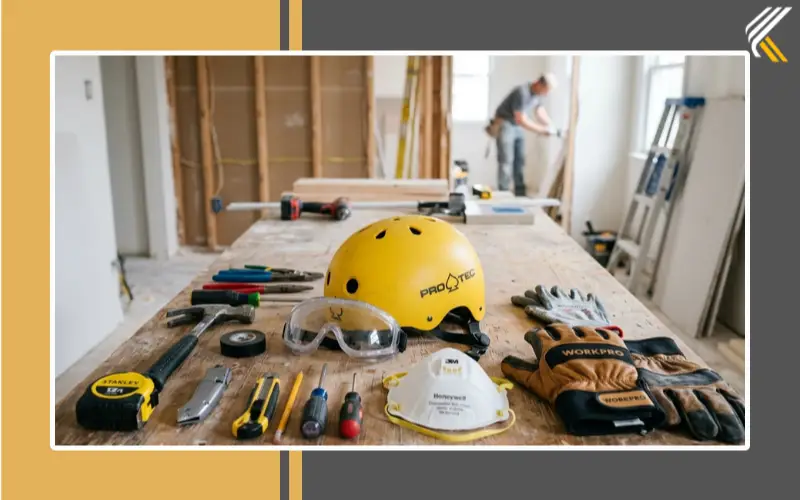
Safety First
Always wear safety gear:
-
- Safety glasses
-
- Gloves
-
- Dust mask
-
- Hard shoes
-
- Long sleeves
These protect you from dust, nails, and sharp edges.
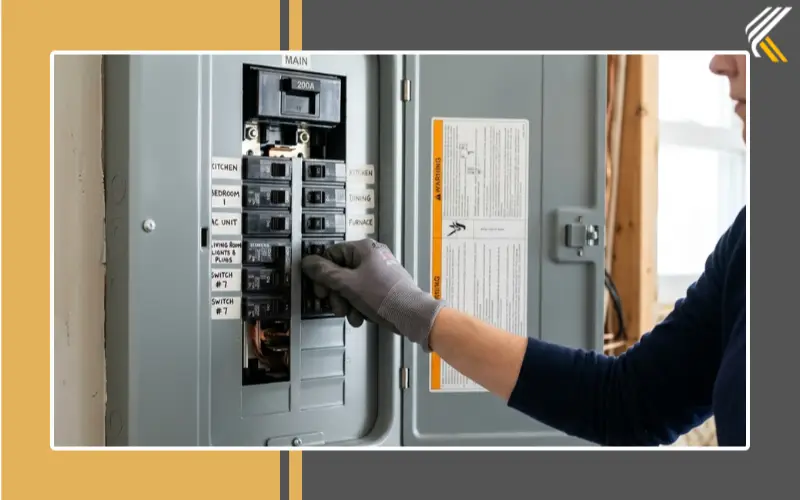
Shut Off Utilities Before Starting
Turn off all utilities before demolition.
Turn off:
-
- Electricity
-
- Water
-
- Gas
This prevents shock, leaks, and fire.
Watch for Wiring and Pipes
Always check for hidden lines.
Look for:
-
- Electrical wires
-
- Water pipes
-
- Gas lines
-
- Air ducts
Work slowly when cutting walls or floors.
Watch for Nails and Sharp Objects
Old materials may have nails or metal.
Always:
-
- Wear gloves
-
- Check before pulling boards
-
- Remove nails carefully
-
- Do not step on loose wood
Slow work is safer.
Keep Good Ventilation During Demolition
Demolition creates dust.
Stay safe by:
-
- Opening windows
-
- Using fans
-
- Wearing mask
-
- Taking breaks outside
Fresh air helps protect your lungs.
Be Careful with Heavy Materials
Cabinets, tiles, and concrete can fall.
Stay safe:
-
- Break into small pieces
-
- Do not pull large parts
-
- Keep feet clear
-
- Ask for help lifting
Never rush heavy work.
Protect Your Ears from Loud Noise
Tools can be loud.
Use:
-
- Ear plugs
-
- Ear protection
This is important when using saws or drills.
Be Careful with Load-Bearing Walls
Load-bearing walls support the house.
Signs of load-bearing wall:
-
- Center wall
-
- Wall under beam
-
- Wall under second floor
Do not remove without checking. After demolition, many homeowners continue with DIY cabinet painting
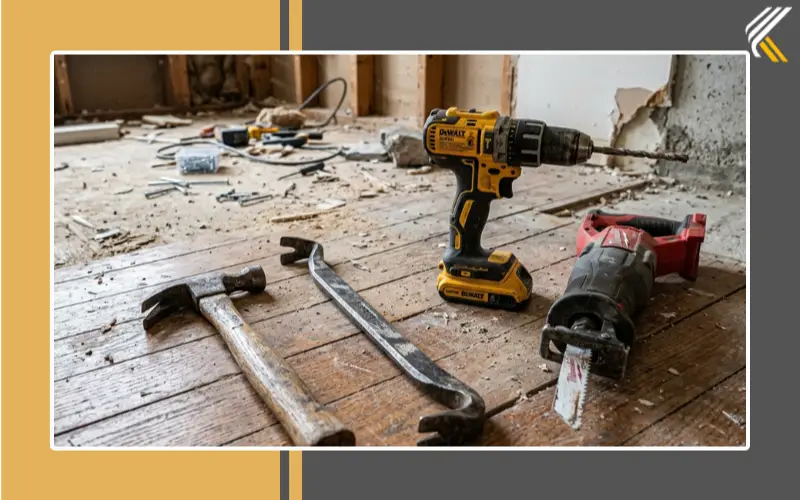
Tools Needed for DIY Demolition
Use the right tools.
Common tools:
-
- Hammer
-
- Pry bar
-
- Sledgehammer
-
- Utility knife
-
- Reciprocating saw
-
- Drill
-
- Screwdriver
-
- Buckets
-
- Trash bags
Safety gear:
-
- Goggles
-
- Gloves
-
- Mask
-
- Ear protection
Good tools make work easier.
Step-by-Step DIY Demolition Process
This method helps homeowners prepare for remodeling.
Step 1 — Clear the area
Step 2 — Turn off utilities
Step 3 — Remove fixtures first
Step 4 — Work from top down
Step 5 — Control dust
Step 6 — Clean while working
Following the order makes renovation easier later. Before starting demolition, plan your full DIY kitchen remodel.
Room-by-Room DIY Demolition Tips
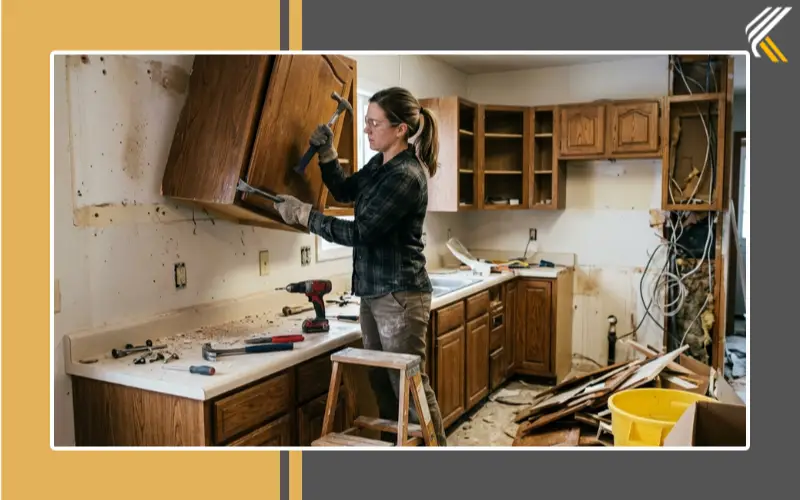
Kitchen:
-
- Remove appliances
-
- Remove cabinets
-
- Remove backsplash
-
- Remove countertop last
Demolition is usually required before installing DIY epoxy countertops
Bathroom:
-
- Turn off water
-
- Remove toilet
-
- Remove sink
-
- Remove tile carefully
Walls:
-
- Check if load-bearing
-
- Remove drywall first
Flooring:
-
- Remove trim
-
- Cut into small pieces
Cabinets:
-
- Remove screws first
-
- Support before pulling
Work slowly in every room. Demolition is often needed before installing DIY pantry shelves
Common DIY Demolition Mistakes to Avoid
-
- Not turning off power
-
- Breaking support wall
-
- Using wrong tools
-
- No safety gear
-
- Working too fast
-
- Not checking pipes
Mistakes can cause injury.
When NOT to Do DIY Demolition
Do not do DIY if:
-
- Wall is structural
-
- Gas lines present
-
- Asbestos present
-
- Big remodel
-
- Permit required
Call professional if unsure.
DIY vs Professional Demolition
DIY:
-
- Cheap
-
- Slow
-
- Good for small jobs
Professional:
-
- Cost more
-
- Faster
-
- Safer for big jobs
Choose based on project size.
| Factor | DIY Demolition | Professional Demolition |
|---|---|---|
| Cost | Low | High |
| Time | Slow | Fast |
| Safety | Medium risk | Safer |
| Skill needed | Basic | Expert |
| Best for | Small projects | Large projects |
| Structural work | Not recommended | Recommended |
| Permit help | No | Yes |
How to Save Money on Demolition
-
- Do small work yourself
-
- Rent tools
-
- Reuse materials
-
- Sell old cabinets
-
- Plan before starting
DIY demolition can reduce renovation cost.
Legal Considerations and DIY Demolition Warnings
Some projects need permits.
You may need approval for:
-
- Removing walls
-
- Plumbing changes
-
- Electrical work
-
- Structure changes
Older homes may contain hazardous materials. The EPA explains safe renovation practices here:
https://www.epa.gov/lead/renovation-repair-and-painting-program
Check Local Permit Rules
Always check local rules before demolition.
This avoids fines.
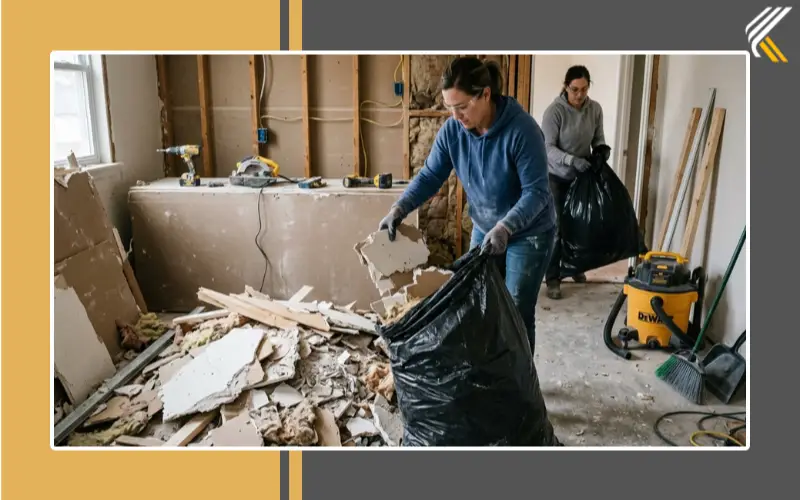
Debris Removal and Cleanup Tips
Use:
-
- Bags
-
- Buckets
-
- Dumpster
-
- Vacuum
Clean often to stay safe.
DIY Demolition Checklist
-
- Plan work
-
- Wear safety gear
-
- Turn off utilities
-
- Check wires
-
- Use right tools
-
- Work slowly
-
- Clean debris
-
- Follow rules
This helps homeowners prepare for remodeling.
Check the Area After Demolition
After demo, inspect area.
Check:
-
- Wires
-
- Leaks
-
- Cracks
-
- Nails
Fix problems before renovation.
DIY Demolition Safety Checklist
- Utilities turned off
- Safety gear worn
- Area covered
- Tools ready
- Pipes checked
- Wires checked
- Load-bearing wall checked
- Permit checked
- Debris plan ready
- Help available if needed
Final Touches for DIY Demolition
From my experience with home renovation projects, demolition is one of the most important steps before any remodeling work begins. When demolition is done carefully, the rest of the project becomes smoother, safer, and less expensive.
Many homeowners choose DIY demolition to reduce labor costs, but it only works well when you plan ahead, use the right tools, and follow proper safety rules. Taking time to check for wires, pipes, and structural parts can prevent serious damage later.
I have learned that the key to safe DIY demolition is patience and preparation. Working slowly, protecting nearby areas, and knowing when to call a professional can save both time and money.
If you follow the tips in this guide, you can prepare your home for renovation with confidence and avoid the common mistakes that many beginners make.
DIY Demolition Tips for Homeowners and Beginners
DIY demolition tips help homeowners prepare their house for renovation safely and at a lower cost.
Beginners should plan carefully, use proper tools, and follow safety rules.
Working slowly and checking for wires, pipes, and structural parts will prevent damage.
DIY demolition can save money, but safety should always come first.
Additional FAQs About DIY Demolition Tips
How hard is DIY demolition for beginners?
DIY demolition is not very hard for small projects, but beginners must work slowly and follow safety rules. Simple tasks like removing cabinets or flooring are easier than removing walls or beams.
Can I do demolition myself before remodeling?
Yes, many homeowners do demolition themselves before remodeling to save money. However, you should only remove parts that are safe and not structural. Always check for pipes, wires, and permits first.
What should I remove first during demolition?
You should remove small and loose items first, such as trim, fixtures, cabinets, and doors. After that, you can remove drywall, tiles, or flooring. Always work from top to bottom.
Do I need to turn off electricity before demolition?
Yes, you must turn off the electricity before demolition. Cutting live wires can cause serious injury or fire. Also, turn off the water and gas if working near pipes.
Is a permit required for home demolition?
Permits may be required if you remove walls, change plumbing, or change electrical systems. Rules are different in every city, so check local building codes before starting.
How do I control dust during demolition?
You can control dust by:
-
- Covering doors and windows
-
- Using plastic sheets
-
- Wearing mask
-
- Opening windows
-
- Cleaning often
Dust control keeps your home safer.
When should I hire a professional instead of DIY demolition?
Hire a professional if:
-
- Wall is load-bearing
-
- Gas line present
-
- Asbestos found
-
- Large remodel
-
- Structural work needed
Professionals are safer for big projects.
What safety gear is needed for demolition?
You should wear:
-
- Safety glasses
-
- Gloves
-
- Dust mask
-
- Ear protection
-
- Strong shoes
Safety gear protects you from injury.
Can DIY demolition save money?
Yes, doing demolition yourself can save a lot of labor cost. Many homeowners do the demo work and hire professionals only for installation.
How long does DIY demolition take?
Small demolition jobs may take a few hours.
Medium projects may take one or two days.
Large renovation demolition can take several days.
About Kitchenoro
Kitchenoro is your trusted partner for complete kitchen remodeling, renovation, and elegant design. We specialize in premium cabinet installation, countertops, and transforming kitchens into luxurious, functional spaces. With expert craftsmanship and tailored solutions, Kitchenoro turns your vision into reality. Contact us to elevate your kitchen’s style and functionality!